Pain & stiffness
Pain, stiffness and restricted movement. Explore how the whole body is organising around the problem.
Learn moreUnderstand how you move. Recognise your patterns. Reorganise — own it.
Through movement, touch and awareness, discover practical tools to understand your patterns, make changes and become more independent in how you move and live.
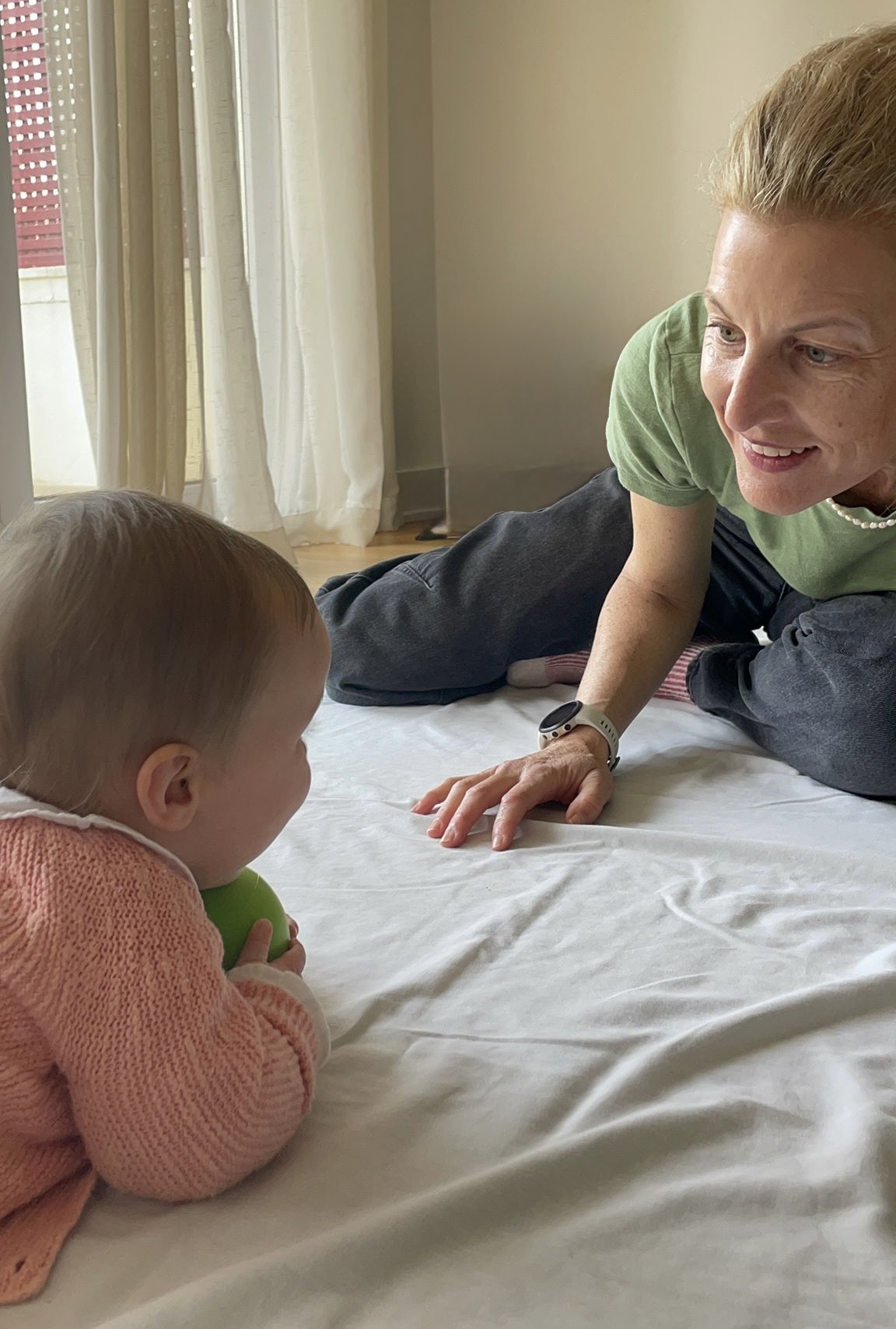
Individual, practical attention
Pain, stiffness and restricted movement. Explore how the whole body is organising around the problem.
Learn more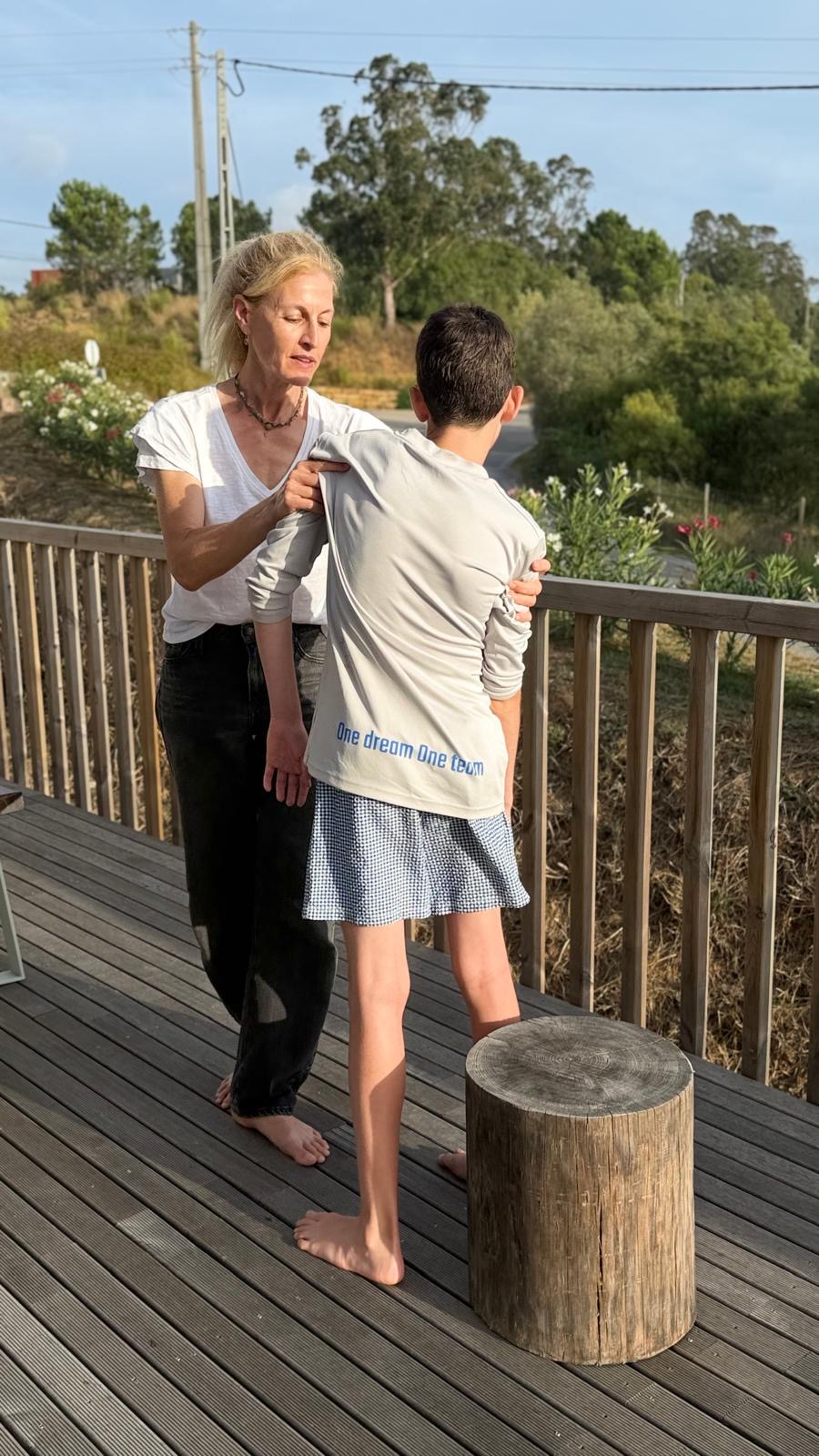
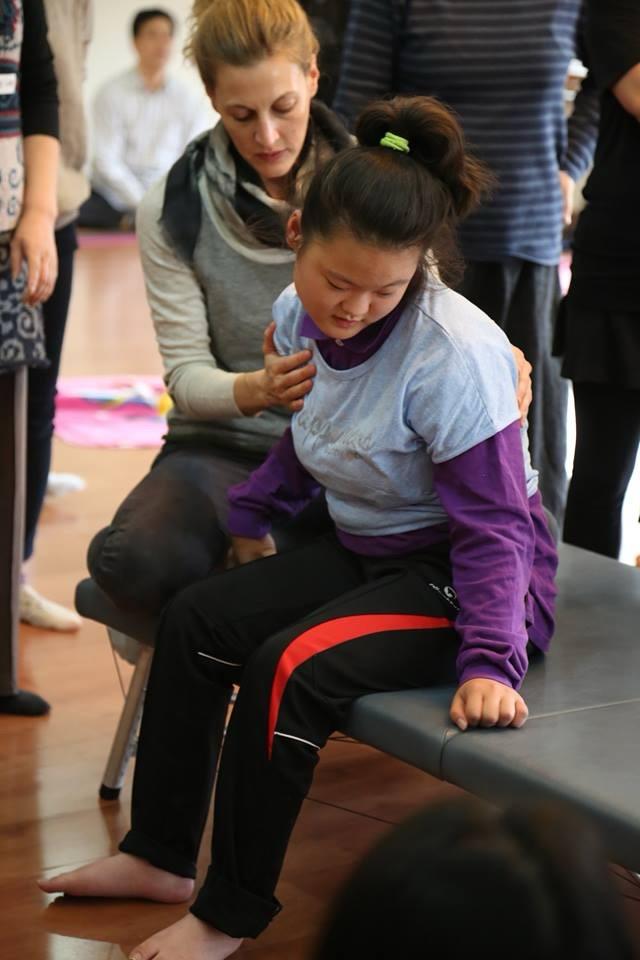
Discover new movement options after injury, surgery or periods of restriction.
Learn more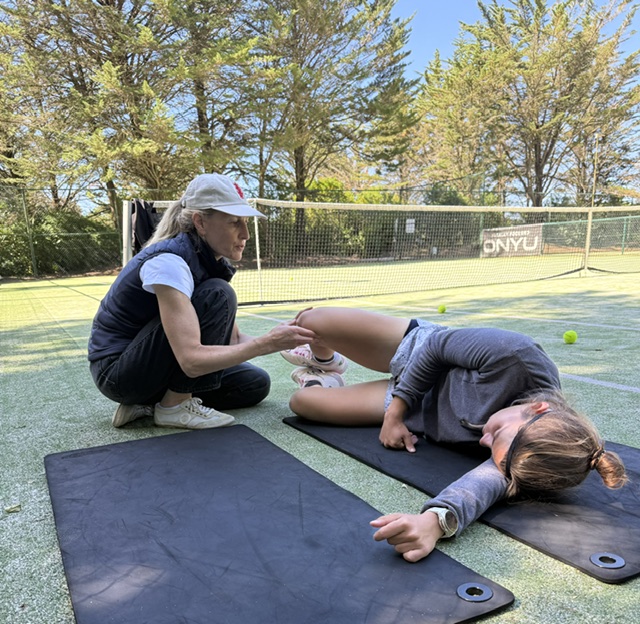
Coordination, balance, precision and efficient movement for athletes and performers.
Learn more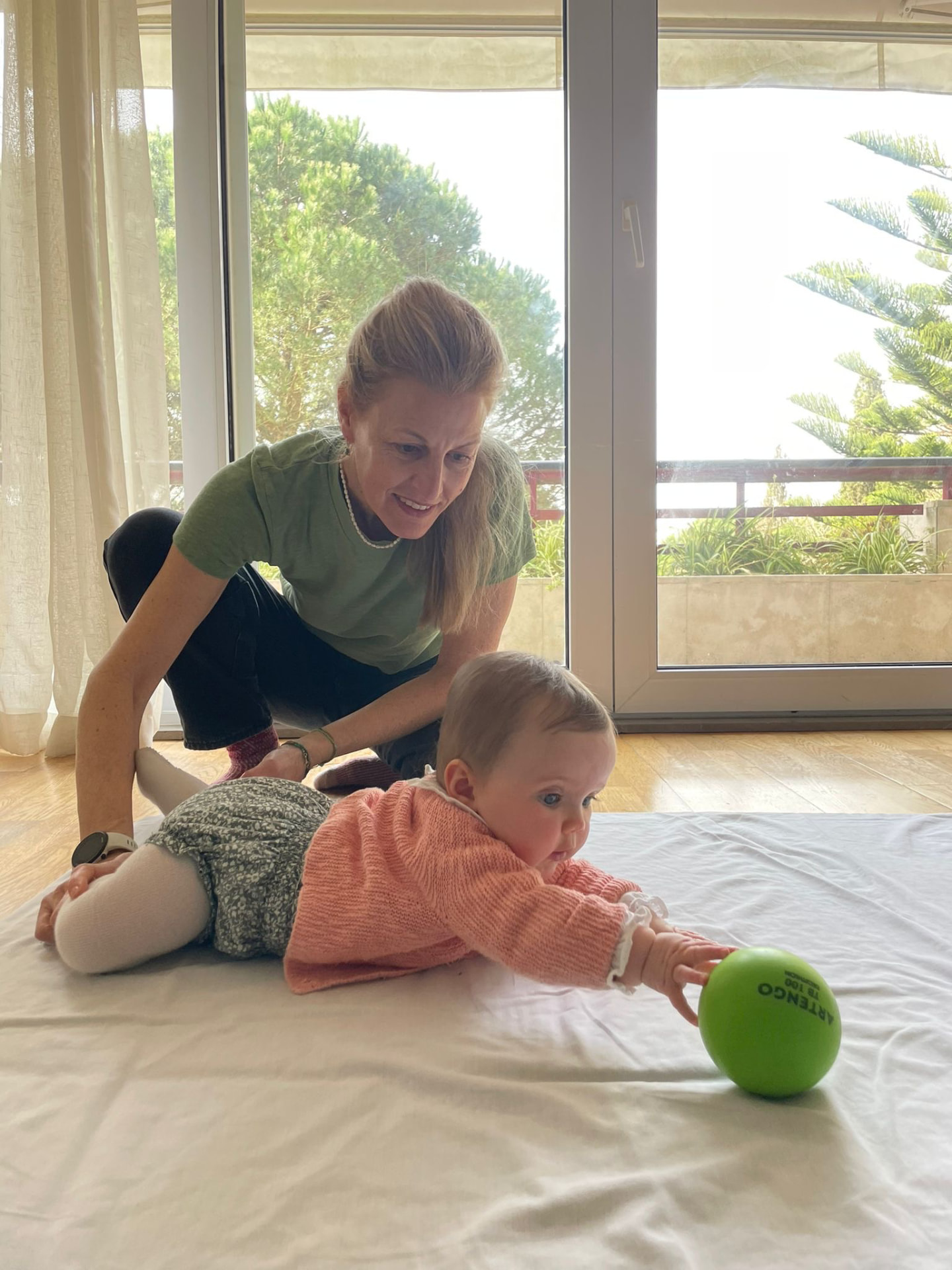
Support movement, coordination, posture, awareness and confidence through exploration and play.
Learn more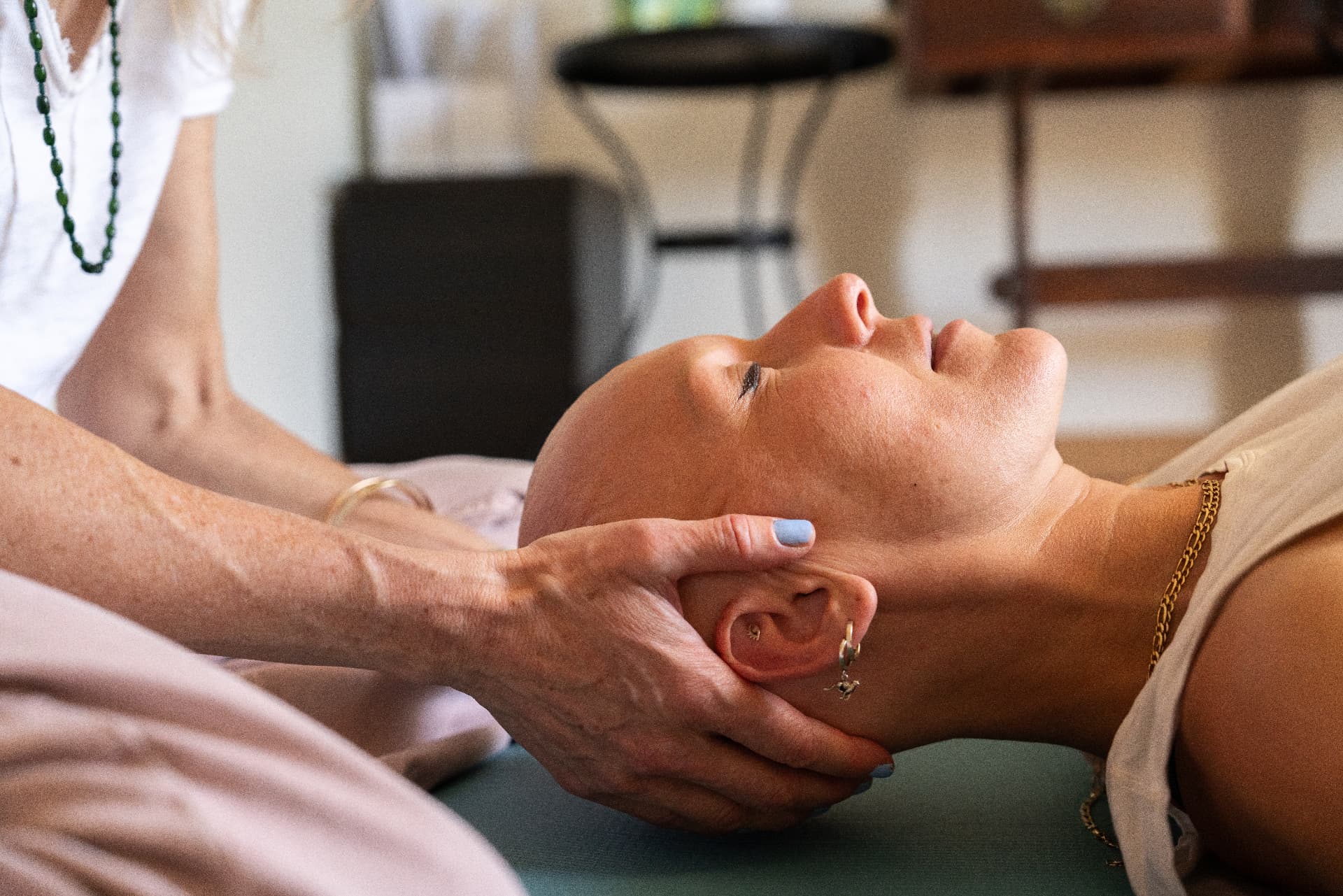
Explore patterns of tension, breathing and movement and reconnect with physical awareness.
Learn moreI consistently leave feeling like a new person.
The lessons I learned from her stay with me to this day.
She doesn't just treat symptoms — she helps you reconnect with yourself.
My son left with his head held high, his shoulders aligned, and his confidence through the roof. Even his voice had changed. Just like that.
Through touch, movement and breathing, I help you notice how you organise yourself, understand your patterns and explore other possibilities.
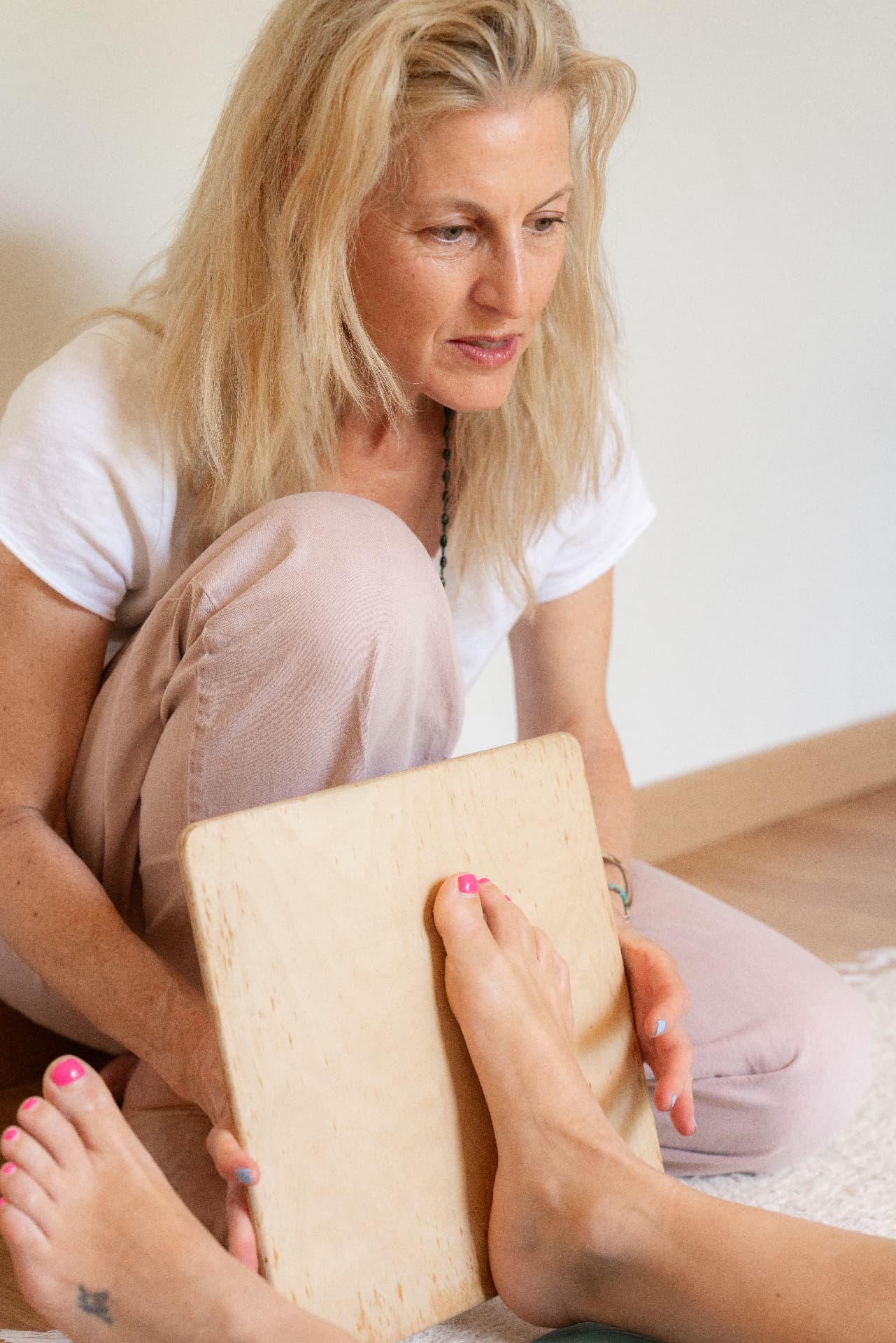
The aim is to help you become an active participant in your own change. As awareness develops, you gain the tools to recognise patterns, explore new possibilities and continue the process independently.
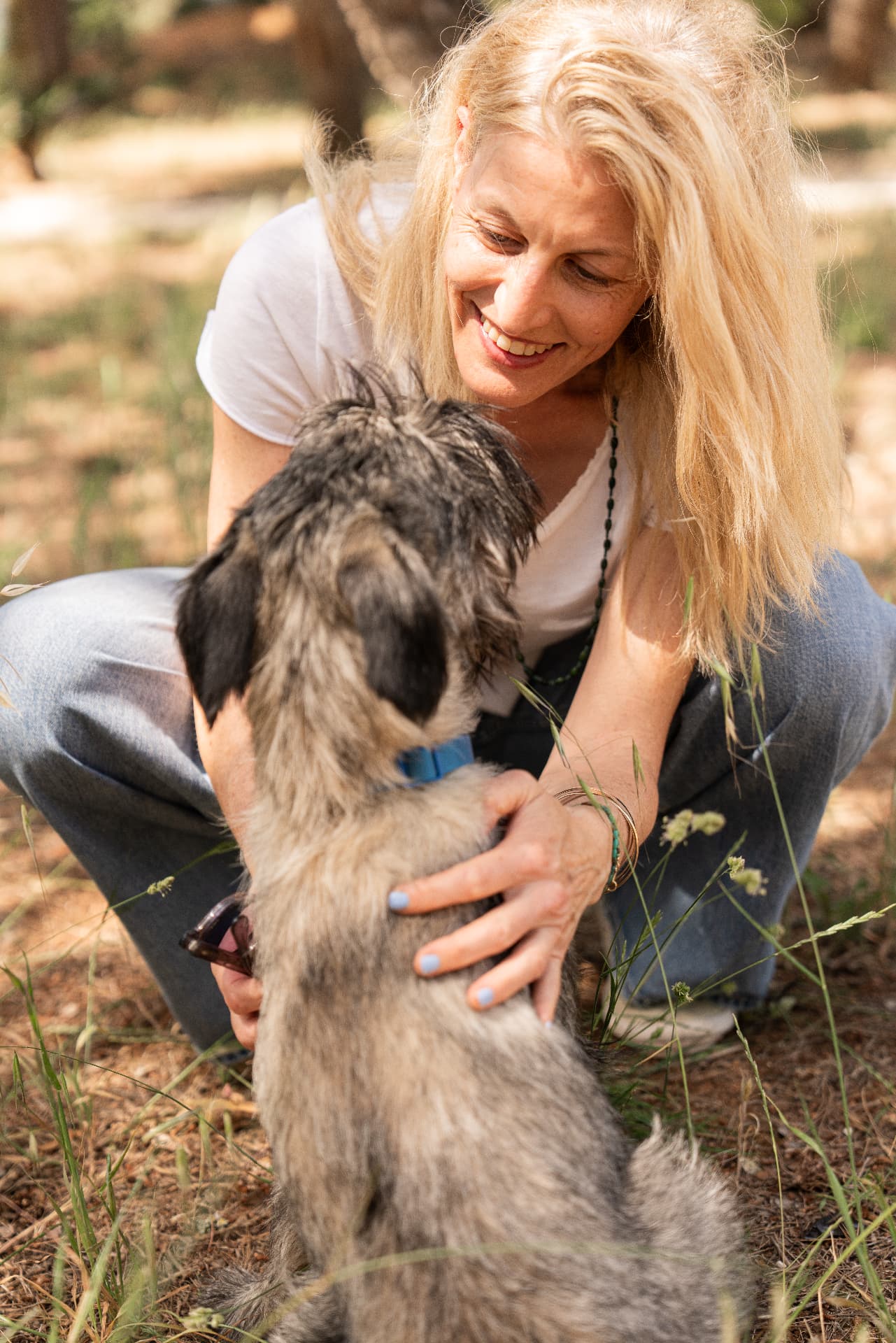
About Naomi
I came to the Feldenkrais Method through Mia Segal, who worked closely with Dr. Moshe Feldenkrais as he developed the method, before he began teaching his formal trainings. I studied with Mia and later assisted her trainings in Germany and Japan.
The work first changed my own life. After years of unsuccessful rehabilitation following a serious knee injury, Mia helped me reconnect with my whole body and regain my balance. By looking beyond my knee to how my whole system moved and adapted, I gradually regained my mobility. That experience still shapes how I work today.
My background brings together movement, education and personal development. I studied and taught Thai Yoga Massage in Thailand, studied meditation at a forest monastery in Myanmar, and hold a B.Ed. and an M.A. in Group Facilitation. I’ve worked with toddlers on the autism spectrum through individual and dyadic movement sessions, and trained personal trainers in Portugal to use Feldenkrais Awareness Through Movement to build awareness and help reduce injury risk.
Motherhood led me to work as an educator at a Montessori school, deepening my experience with children and parent counselling. Later, I studied Schema Coaching to complement my somatic work with a deeper understanding of emotional and psychological patterns.
Today, I bring these experiences together to help people understand how they move, discover new possibilities and make change their own.
The Feldenkrais Method was developed by Dr. Moshe Feldenkrais, a physicist, engineer and Judo master. He explored the relationship between movement, learning and the nervous system.
It is a gentle movement-based approach that develops awareness of how we move, not simply what we are able to do.
By paying attention to the quality, ease and organisation of movement, we can recognise habitual patterns and inhibitions that may have developed through injury, stress or experience. Exploring new possibilities can help us move with greater ease, comfort and efficiency.
The method works through the relationship between movement, sensation and the nervous system, helping us develop new ways of sensing and organising ourselves.
Sessions may include conversation, observation, hands-on work, and guided movement. Together, we explore your movement patterns and habits. Each session is tailored to your goals and what you need that day.
You might be working to move more efficiently while practising music, improve your balance, support rehabilitation, or explore pain connected to emotional triggers. Sessions with children or babies may combine movement with the child and guidance for the parent.
Yes. We begin by looking at how your body is organized as a whole and working with patterns that may be contributing to your pain. These can involve the fascia, muscles, nerves, or skeleton.
From there, we work directly with the painful area to support circulation, freer movement, and healing.
Finally, you'll receive gentle movements to practise at home.
Yes. My own knee injury and several unsuccessful surgeries are what brought me to this work in the first place.
This work can sit alongside your rehabilitation and strength work, exploring how the whole body has adapted while you continue the treatment your clinicians have recommended.
Physiotherapy is a valuable clinical profession, generally focused on restoring strength, mobility and function after injury or illness.
My work places particular emphasis on the quality and organisation of movement: subtle differences, breathing, coordination, and how you sense and organise yourself. The two sit well together.
Yes, and many people do. The approaches complement one another: they build capacity, and we look at how that capacity is organised and used in movement.
Posture is not simply a matter of strength or of holding yourself upright. We explore unnecessary muscular effort, the organisation of movement, the mobility of the ribs and spine, and whole-body awareness.
When effort is reduced and coordination improves, posture usually changes on its own rather than needing to be held.
The first session is an assessment and an opportunity to experience the work. Some people come for only a few sessions.
Longer-standing or more complex limitations often benefit from ongoing work over a period of time. We decide together as we go.
Not at all. Many people come to improve the quality of their movement, their coordination, posture, physical skills or performance, simply because they are curious about moving well.
Cascais · Portugal
Let's talk about what you're looking for.
Cascais, Portugal